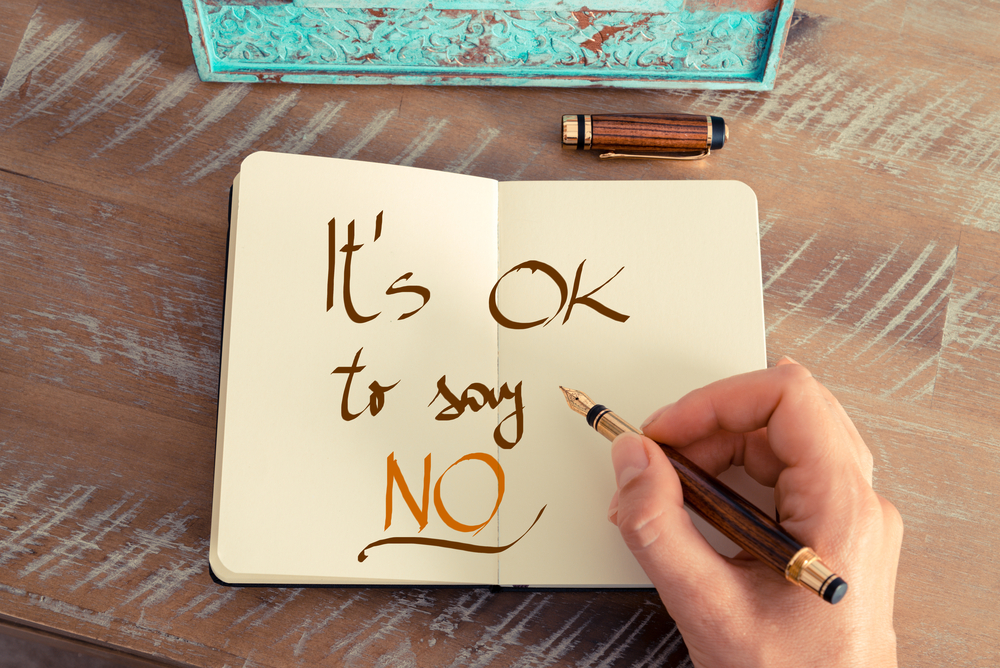
In the modern landscape of work, women find themselves navigating responsibilities—career aspirations, familial duties, and societal expectations—all while striving for excellence.
This pressure often extends to the period following maternity, where there’s an unspoken urgency for women to swiftly resume their professional roles. Despite the strides towards gender equality, this expectation remains a weighty one.
Within these obligations, the significance of pauses, breaks, and moments of respite can easily be overlooked. Yet, these moments are not mere intervals in the chaos; they’re pivotal for sustaining a healthy work-life balance.
They provide a chance to recharge, recalibrate, and reconnect with oneself. In a world that glorifies constant motion, acknowledging the necessity of these pauses becomes imperative.
Amidst the rapid pace of life, taking breaks isn’t a luxury—it’s a fundamental need. Studies show they help us think better, be more creative, and stay healthier. It’s in these pauses that women can replenish their energy, foster their well-being, and return to their roles—be it as professionals, caregivers, or individuals—with a renewed sense of purpose and resilience.
Understanding how breaks can actually make work better. It’s about realising that taking breaks is part of doing well. When companies encourage breaks, it helps women do their best at work and feel better overall.
The Break Struggle: Why It’s Tough for Women
For women, finding time for breaks at work can be challenging for several reasons:
1. Juggling Multiple Roles
Women often handle both work and family stuff. Finding time for them in between all this can feel nearly impossible. They worry that taking a break might mean they’re not doing enough for work or their family.
2. Feeling Pressured
Some women feel they have to work extra hard to show they’re just as good as men at work. This can make them feel guilty for taking breaks because they think it might make them look less serious about their job.
3. Fear of Judgment
In places where men are in charge, women might worry about what others will say if they take breaks. They fear being seen as not as dedicated as men or not as focused on their jobs.
Why Breaks Are Essential for Success
Despite the challenges, taking breaks is crucial for women’s well-being and success at work:
- Refocusing Goals: Quick breaks help women reassess their tasks, keeping focus and achieving goals efficiently.
- Boosting Concentration: Brakes act like mental refreshers, helping women return to work more focused and productive.
- Reducing Stress: Taking breaks lowers stress, benefiting both mental and physical health for women.
- Empowerment and Satisfaction: A workplace valuing breaks can lead to higher job satisfaction and engagement for women.
- Supporting Mental Health: Breaks become pillars for better mental well-being, reducing anxiety and burnout.
- Self-assurance: A sense of certainty in their abilities and choices.
- Resilience: The ability to bounce back from setbacks, failures, or rejections.
- Positive self-image: A healthy perception of self-worth and strengths.
- Assertiveness: Effective expression of needs, boundaries, ideas, and opinions
- Willingness to take risks: The ability to embrace new opportunities.
- Adaptability: An openness to change and a view of challenges as opportunities.
- Effective communication: Skills in clear expression, active listening, and engaging conversation.
Causes of Low Confidence
Negative past experiences, comparison, lack of support, pursuit of perfection, and societal pressures can contribute to low confidence. Additionally, genetics may play a role, suggesting that confidence is influenced by both nature and nurture.
Can Low Confidence be Treated?
Absolutely. Building confidence is a process that involves self-reflection, personal growth, and practice. Challenging self-limiting beliefs, setting and achieving goals, and embracing personal strengths are key steps in this journey.
15 Strategies to Boost Your Confidence
- Identify Your Strengths and Purpose: Delve into what brings you joy and a sense of flow.
- Start a Success File: Compile achievements for a confidence-boosting reference.
- Reflect on Flow Activities: Identify tasks that engross you and make time fly by.
- Seek Feedback from Others: Gain external perspectives on your strengths.
- Take Assessments: Tools like StrengthsFinder provide insights into your strengths.
- Engage in New Experiences: Explore activities, even in small ways, to discover unexpected joys.
- Embrace Stress-Reducing Hobbies: Prioritise self-care to maintain clarity and confidence.
- Master Assertiveness with “I” Statements: Clearly express your needs and boundaries.
- Work on Vocal Power: Ensure your voice projects confidence and positivity.
- Cultivate Self-Belief with Positive Affirmations: Use affirmations aligned with your values.
- Reframe Social Anxiety: Replace negative thoughts with positive visualisations.
- Develop a Growth Mindset: View challenges as opportunities for growth.
- Learn from Criticism and Rejection: Seek context, recognize patterns, and ask for feedback.
- Set SMART Goals: Make goals specific, measurable, achievable, relevant, and time-bound.
- Master Conversation Skills: Practise active listening and engage others with open-ended questions.
Consistency in applying these strategies will lead to a noticeable increase in confidence over time. Remember Ladies, confidence is a skill that can be nurtured and developed, allowing you to face life’s challenges with unwavering assurance!